

Table of Contents
- Why Maintaining High-End Grill Grates Matters
- How to Clean Grill Grates After Cooking
- Best Grill Brush for Cleaning Grates
- How Often to Clean Grill Grates
- How to Season Grill Grates
- Deep Cleaning Heavily Soiled Grates
- Rust Prevention and Treatment
- Grate Material Care: Cast Iron, Stainless Steel, and Ceramic
- Frequently Asked Questions
Last Updated: October 13, 2026
Why Maintaining High-End Grill Grates Matters
High-end grill grates are a significant investment, and knowing how to maintain high-end grill grates is essential since grease, food residue, and corrosion can quickly compromise performance and safety. At Grill Daddy Brush Company, we've spent nearly two decades helping grill enthusiasts understand that how to maintain high-end grill grates isn't just about aesthetics, it's about protecting your equipment, ensuring even heat distribution, and preventing frustrating stuck-on buildup.

The difference shows within a season: regularly cleaned grates heat more evenly, release food more easily, and last years longer. Regular maintenance also catches rust spots and coating damage early, before they become expensive repairs or replacements.
How to Clean Grill Grates After Cooking
Cleaning while grates are warm is the cornerstone of effective maintenance: heat keeps grease pliable so it releases from the metal instead of hardening into a stubborn layer.
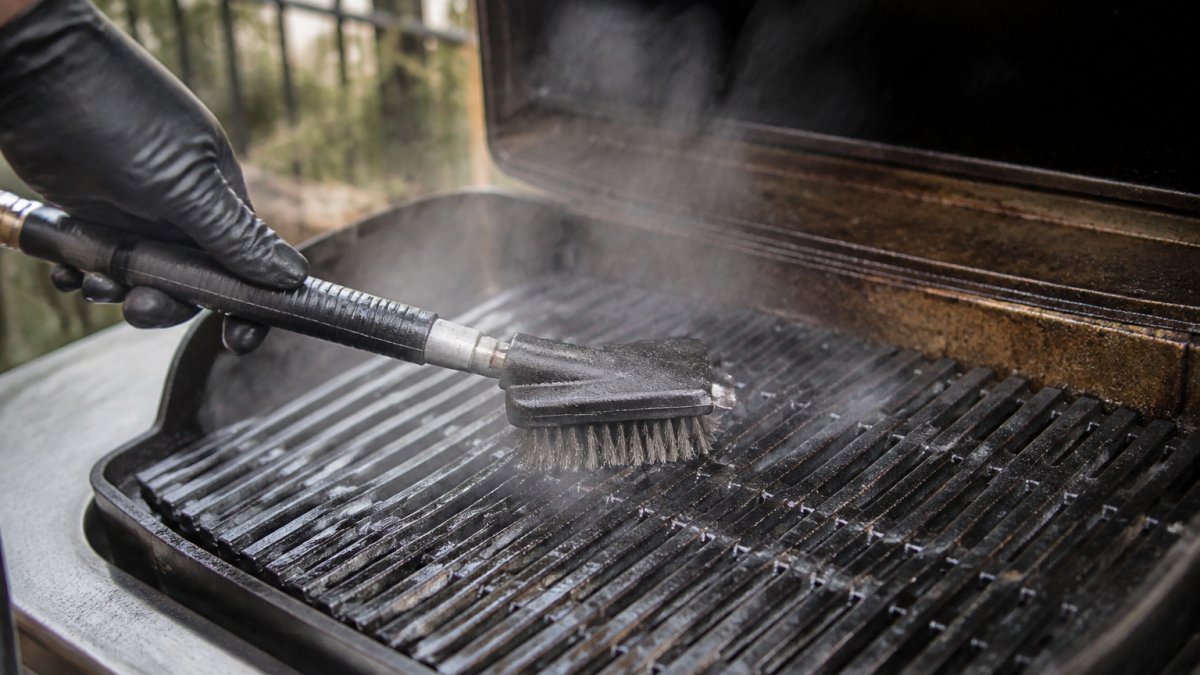
Cleaning While Grates Are Warm
Start within 10-15 minutes after cooking. The grates should still be hot but cool enough to handle safely with gloves, at this temperature, grease hasn't set into a hard crust.
Brush crosswise from one end to the other with firm, deliberate strokes to dislodge food particles and break up the grease layer while it's still warm.
Pay special attention to the areas between grate bars, where residue and grease accumulate most heavily and rust often begins.
Removing Stuck-On Food and Grease
Heavy use leaves stuck-on residue that won't budge with a simple brush, requiring a more targeted approach.
Let the grates cool slightly, then use a grill scraper or the edge of your brush to lift the material away before brushing again.
Hardened grease needs moisture to release, which is where steam cleaning excels. The Grill Daddy Pro and Original Grill Daddy models are built for this: fill with water, let the grill preheat, then activate the valve and brush.
Best Grill Brush for Cleaning Grates
The right tool makes an enormous difference in cleaning effectiveness and grate longevity. Your choice depends on grate material, how often you grill, and your preference for bristle versus bristle-free options.
Steam Cleaning vs. Traditional Brushes
Traditional dry brushes work by mechanical scrubbing alone. They handle light to moderate buildup but struggle with heavy grease.
Steam cleaning brushes add a chemical-free sanitizing step. Combining heat, moisture, and mechanical action, they melt grease on contact without harsh chemicals, gentler on high-end grates while being more thorough.
The practical difference is time and effort: a traditional brush on heavy grease might take 10-15 minutes of hard scrubbing, while a steam brush does the same job with less strain.
Bristle vs. Bristle-Free Options
Both bristle and bristle-free scrubbers are safe and effective, the choice comes down to your preference and grate type.
Bristle brushes use stainless steel bristles (often 304-grade for rust resistance) locked securely in place.
Bristle-free scrubbers use abrasive materials like Kevlar or canvas-like fiber pads instead of bristles. The Grill Daddy Pro with Bristleless Grill Scrubber option uses a coarse Aramid-based pad that's flame-retardant and dishwasher-safe.
The real advantage of either approach is consistency: a quality steam brush, bristle or bristle-free, performs reliably across dozens of sessions and pays for itself in reduced grate replacement costs.
| Feature | Bristle Brushes | Bristle-Free Scrubbers |
|---|---|---|
| Material | 304 stainless steel | Kevlar/Aramid fiber |
| Durability | Long-lasting | Long-lasting, replaceable |
| Grate Compatibility | All types | All types, especially ceramic |
| Maintenance Concern | Bristle inspection | None |
| Scrubbing Feel | Traditional brush action | Firm pad pressure |
| Sanitizing Potential | High with steam | High with steam |
How Often to Clean Grill Grates
Cleaning frequency depends on how often you grill, what you cook, and your grate material. A maintenance schedule prevents buildup and extends grate life.
Weekly and Monthly Maintenance Schedule
After every cook: Clean grates while warm using your brush of choice. This takes 5-10 minutes and eliminates 90% of the work that would otherwise accumulate.
Weekly (if you grill 2-3 times per week): Perform a deeper steam clean and check for rust spots or coating damage, addressing discoloration or rough patches immediately before they spread.
Monthly: Inspect grates for rust, coating wear, or damage and treat rust spots. Re-season cast iron if the coating looks dull, check stainless steel for etching or discoloration, and verify ceramic coatings are intact.
Seasonal (at grill opening and closing): Deep clean thoroughly.
This schedule prevents the panic that leads to aggressive scrubbing and grate damage. Consistent light maintenance is effective.
How to Season Grill Grates
Seasoning creates a protective layer that prevents rust and improves non-stick properties. The approach varies by grate material.
Seasoning Cast-Iron Grates
Cast iron requires regular seasoning to maintain its protective patina. After a deep clean, while grates are still warm (not hot), apply a thin layer of high-heat cooking oil, canola, vegetable, or grapeseed.
Apply oil sparingly with a cloth or paper towel, a thin, even coat, since excess oil creates a sticky surface that attracts dirt.
Repeat monthly during grilling season, or after any deep clean that removed significant buildup. Over time this builds a dark, non-stick patina, properly maintained cast iron becomes more effective and more beautiful as it ages.
Protecting Stainless Steel and Ceramic
Stainless steel grates don't need traditional seasoning, but after cleaning, apply a thin coat of high-heat oil to prevent oxidation and maintain shine, wiping away excess to avoid buildup.
Ceramic-coated grates require the gentlest touch: never use abrasive cleaners or aggressive scrubbing. Clean with a soft brush or bristle-free scrubber, inspect regularly for chips or cracks, and repair damage promptly with high-heat ceramic touch-up paint to prevent rust underneath.
For both stainless and ceramic, prevention is key: regular light cleaning and gentle handling preserve the finish far better than occasional heavy scrubbing.
The Original Grill Daddy® Steam Brush →
Deep Cleaning Heavily Soiled Grates
When months have passed or grates have endured heavy use, a deeper approach is necessary, and steam cleaning truly shines.
Fill your steam brush with water and preheat the grill to medium-high.
For extremely stubborn buildup, repeat the process twice, letting grates cool slightly between passes. This multi-pass approach is gentler on the finish than aggressive single-pass scrubbing.
After deep cleaning, let grates dry completely, then oil cast iron. For stainless steel or ceramic, inspect carefully for damage revealed by the cleaning.
Rust Prevention and Treatment
Rust is the enemy of grate longevity, so knowing how to prevent it and treat early signs is essential for maintaining high-end grill grates.
Identifying Early Rust Damage
Rust begins as small orange or brown spots, usually between grate bars or where moisture collects. Early-stage rust looks like discoloration and feels slightly rough, this is when treatment is easiest and most effective.
Check grates monthly, especially in humid climates or if your grill is uncovered. The earlier you catch rust, the simpler the fix; advanced rust appears as pitting or deep discoloration and is much harder to reverse.
Moisture is rust's primary enabler, so a covered grill, proper drainage, and regular drying significantly reduce risk, especially in coastal or high-humidity regions.
Removing Surface Rust
Light surface rust comes off with a wire brush or steel wool, followed by thorough drying and oiling, restoring cast iron's patina or revealing clean stainless steel underneath.
If rust has progressed to pitting or deep damage, the grate is compromised and replacement is safest, pitted grates are structurally weakened and can shed metal into your food.
Prevention is always easier than treatment: keep grates dry between uses, cover your grill, and maintain seasoning or protective coating to prevent rust problems.
Grate Material Care: Cast Iron, Stainless Steel, and Ceramic
Each grate material has specific care requirements. Understanding your grate type ensures you're maintaining it correctly.
Cast-Iron Grate Maintenance
Cast iron is durable and improves with age when properly maintained. The key is consistent seasoning and prompt rust treatment.
Clean cast iron thoroughly after each use while warm, dry completely, then apply a thin coat of high-heat oil to build the protective patina that makes it non-stick and rust-resistant.
Monthly, deep clean and re-season. Treat any rust spots immediately with a wire brush, then re-season. Properly maintained cast iron becomes more effective over decades.
Never let cast iron sit wet. Moisture is the primary cause of rust.
Stainless Steel Grate Care
Stainless steel is corrosion-resistant but not rust-proof. It requires different care than cast iron.
Clean stainless steel after each use with a soft brush or steam cleaner, avoiding abrasive scrubbing that scratches the finish and creates sites for corrosion.
After cleaning, wipe dry, moisture left on stainless steel can cause etching or discoloration. For added protection, apply a thin coat of high-heat oil or a grill-specific stainless steel conditioner.
Never use steel wool or scouring powder on stainless steel. These damage the protective chromium layer and accelerate corrosion. Stick to soft brushes and gentle cleaning methods.
Ceramic Coated Grate Protection
Ceramic coatings provide excellent non-stick properties and heat distribution, but the coating itself is fragile and requires careful attention.
Use only soft brushes or bristle-free scrubbers on ceramic grates, aggressive scrubbing damages the coating and exposes the metal to rust. The Grill Daddy Pro with bristle-free option is ideal, its Kevlar pad cleaning effectively without scratching.

Inspect ceramic grates monthly for chips, cracks, or thinning coating. If you spot damage, clean and dry the area, then apply high-heat ceramic touch-up paint to prevent rust from starting underneath.
Never use metal scrapers directly on ceramic. Use plastic or wooden scrapers instead. The extra care pays off in extended coating life.
Frequently Asked Questions
How often should you clean high-end grill grates?
Clean grill grates after each cooking session while they're still warm to prevent food buildup and grease accumulation. For deep cleaning, schedule a thorough maintenance every two weeks during heavy grilling season. A complete seasonal deep clean before and after peak grilling months protects your investment. Regular light cleaning prevents the need for intensive scrubbing later.
What is the best way to clean grill grates after cooking?
The most effective method combines steam cleaning with gentle brushing. Preheat your grill, fill a steam brush with water, and apply steam to the grates while brushing in a crosswise motion. This approach melts grease without harsh chemicals. For stuck-on food, let the steam soften the residue first, then use a scraper to remove debris. Empty the water and leave the valve open to dry completely.
How do you maintain cast-iron grill grates?
Cast-iron grates require seasoning to prevent rust and maintain their non-stick surface. After cleaning with steam, apply a light coat of cooking oil while the grates are still warm, then wipe away excess. Store cast-iron grates in a dry environment, as moisture causes rust. Inspect regularly for rust spots and address them immediately with gentle scrubbing and re-seasoning. Proper seasoning creates a protective barrier that improves with use.
Can you use a grill brush on premium grill grates without damaging them?
Yes, when using the right brush type. Stainless steel bristles and steam-powered brushes are safe for premium grate materials including stainless steel, ceramic-coated, and cast iron. Avoid abrasive wire brushes that can scratch finishes. Bristle-free options like Kevlar scrubbers provide effective cleaning. The key is matching your cleaning method to your grate material and using proper technique.
How do you remove rust from grill grates?
Surface rust can be removed by scrubbing with a stainless steel brush or abrasive pad while applying steam heat. For light rust, vinegar or baking soda paste applied overnight followed by gentle scrubbing works well. After removal, immediately dry the grates completely and apply a protective oil coating. If rust penetrates deeply into cast iron, re-seasoning the grates helps prevent recurrence.
Should you oil grill grates before or after grilling?
Oil grates after cooking while they're still warm, which helps the oil adhere and creates a protective barrier. Apply a light coat, then wipe away excess to prevent sticky buildup. For cast-iron grates, this post-cooking oiling is essential for seasoning and rust prevention. Avoid oiling before cooking, as excess oil can smoke excessively and create flare-ups. Proper post-cleaning oiling maintains the grate finish and extends equipment life.


