

Table of Contents
- What Professional Grill Cleaning Results Look Like
- How to Deep Clean a Gas Grill: The Complete Process
- How to Clean Grill Grates Without Damaging Them
- Steam Cleaning Grill Grates for Maximum Sanitization
- How Often to Clean a Grill for Optimal Performance
- Common Mistakes to Avoid When Cleaning Your Grill
- Tools and Products for Professional Results
- Frequently Asked Questions
Last Updated: October 9, 2026
What Professional Grill Cleaning Results Look Like
Professional grill cleaning results mean a cooking surface free of grease buildup, char residue, and debris: grates that shine, food that won't stick, and heat that distributes evenly.
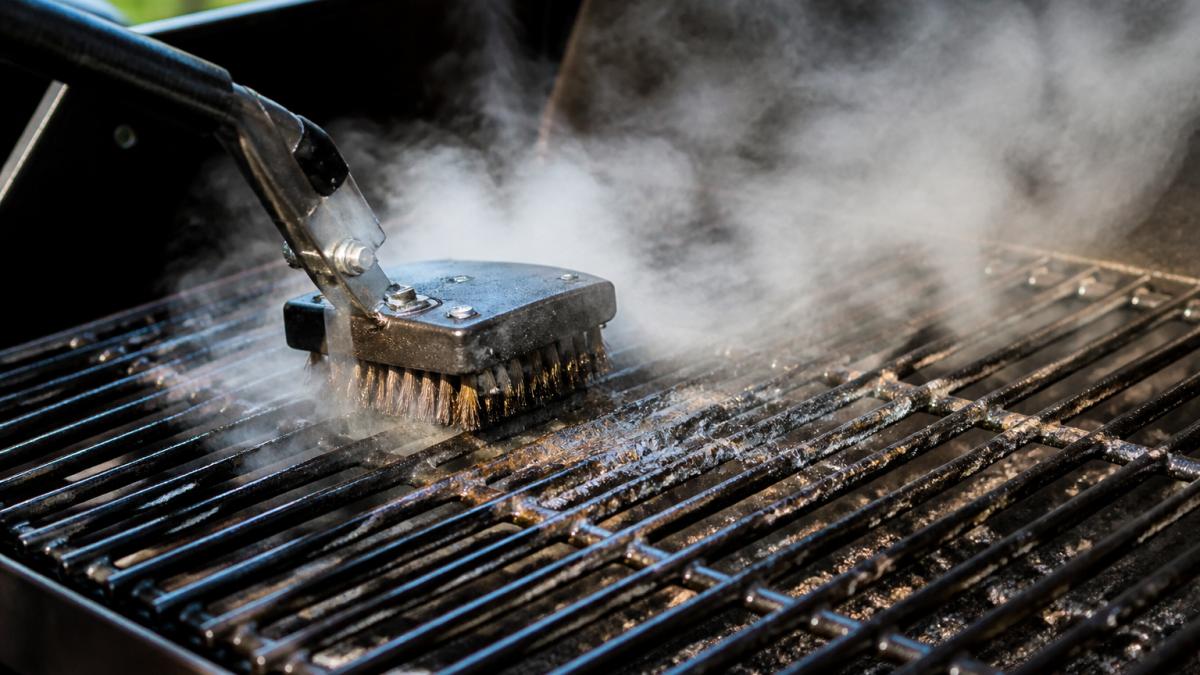
A properly cleaned grill heats faster, cooks more evenly, and produces better-tasting food, with less flare-up, more consistent browning, and no off-flavors from old grease.
At Grill Daddy Brush Company, we've helped thousands of grill owners achieve professional cleaning results using steam-powered brushes.

Professional results include:
- Grates that gleam without rust or discoloration
- A firebox free of ash and grease accumulation
- Burners that ignite cleanly without sputtering
- Even heat distribution across all cooking zones
- Food that tastes like it should, not like old grill residue
Getting there takes a systematic approach. Below, we'll walk you through how to achieve professional grill cleaning results on gas, charcoal, or electric grills.
How to Deep Clean a Gas Grill: The Complete Process
Deep cleaning a gas grill means going beyond the grates. You're addressing the firebox, internal components, burners, and heat deflectors that most casual cleaning misses.
Preparation and Safety Checks
Start with safety: turn off the gas at the control knob and tank valve, and let the grill cool completely. A cold grill is easier and safer to handle.
Inspect the grill before you begin:
- Check burners for clogs or damage
- Look for rust spots on internal surfaces
- Verify the grease trap is accessible
- Confirm the grill sits on stable, level ground
Remove the cooking grates and any removable components like heat deflectors or flavorizer bars to open up the interior. Empty the grease trap, buildup restricts airflow and creates fire hazards, and dispose of grease properly, never down a drain.
Cleaning the Firebox and Internal Components
The firebox collects ash, grease, and debris during cooking, this is where professional cleaning differs from routine maintenance.
Use a grill brush or scraper to loosen debris from the interior walls and floor, working back to front and pushing material into the grease trap.
For stubborn buildup on the firebox floor, scrape gently with a putty knife to avoid damaging any interior coating.
Wipe internal surfaces with a damp cloth to remove fine ash. Heat shields and internal baffles trap grease and smoke: remove and clean both sides if possible, or brush them thoroughly in place. The goal is a clean, dry interior at peak efficiency.
How to Clean Grill Grates Without Damaging Them
Grates are the most visible part of your grill and take the most abuse. The right technique depends on the grate material and the fuel your grill burns, a method that works on a charcoal kettle can ruin a ceramic kamado, and one that's fine on cast iron will scratch stainless steel.
Match the Method to the Grate Material
Stainless steel grates are durable but scratch-prone; abrasive metal brushes leave micro-scratches that trap grease and pit over time. Steam is safest: heat and moisture lift residue without grinding it in.
Cast iron grates are tough but rust when wet.
Ceramic-coated grates chip under pressure. Use light contact and let steam do the work. Never bear down with a metal scraper.
Porcelain-enameled grates sit somewhere between ceramic and stainless. Gentle steam cleaning preserves the coating; aggressive scrubbing dulls it.
Match the Method to the Fuel Type
Gas grills: Heat on high for 10-15 minutes, then steam-clean the grates in place, keeping burners protected since you're not scraping downward into them.
Charcoal grills: Let coals burn out and the grill cool before touching the grates. Rinse off abrasive ash before scrubbing so you don't grind it into the metal.
Pellet grills: Lower temperatures leave a sticky grease-and-smoke film rather than carbon, which steam dissolves faster than any brush.
Ceramic kamado grills: Clean grates while warm but not blazing, about 15 minutes after shutting the vents, since sudden temperature swings can crack ceramic components.
A Steam-First Workflow That Works on Every Grate
- Heat the grill to burn off loose residue (10-15 minutes on high for gas; until coals ash over for charcoal).
- Fill your steam brush with water and turn the valve off while filling.
- Turn the valve on and scrub the grates in overlapping rows, back to front.
- For stubborn spots, hold the brush in place a few extra seconds and let the steam soften the carbon before moving on.
- After the grates, run the same brush over heat deflectors, flavorizer bars, and interior walls.
- Dry cast iron immediately; let other materials air-dry.
The key to preserving grates is matching your method to both material and fuel. Aggressive scrubbing removes buildup faster but shortens grate life and can void a manufacturer's warranty on coated grates.

Steam Cleaning Grill Grates for Maximum Sanitization
Steam cleaning delivers professional results without chemicals or aggressive scrubbing. It's the method that separates casual maintenance from true professional cleaning.
Why Steam Cleaning Outperforms Traditional Methods
Steam converts water into high-temperature vapor that penetrates grease and softens carbon: the heat loosens debris, the moisture dissolves grease, and everything lifts away. Traditional wire brushes rely on friction alone, fighting buildup mechanically, while steam does the work for you.
Steam also sanitizes: the heat kills bacteria and pathogens on cooking surfaces. With no harsh chemicals, there are no toxic fumes, no chemical residue on your food, and no environmental impact, just water and heat.
Step-by-Step Steam Cleaning Technique
Preheat your grill on high for 10-15 minutes; hot grates respond better to steam.
Fill your steam brush with water. The Original Grill Daddy has a larger water reservoir for steam-generating water.
Turn the valve on to release steam.
Work in overlapping rows across the grates for complete coverage, paying extra attention to areas where residue builds up thickest.
The Original Grill Daddy® Steam Brush →
The steam softens grease and carbon so it lifts away; if stubborn spots resist, apply more steam and return after a few seconds.
After the grates, use the brush on interior walls, heat deflectors, and any other reachable surfaces, steam cleans where wire brushes struggle.
How Often to Clean a Grill for Optimal Performance
Most guides say "clean regularly" and stop there. A real schedule accounts for how often you cook, what you cook, where the grill lives, and the season. Here's a practical framework.
The Three-Tier Schedule
After every cook (5 minutes): While the grates are still warm, run a steam brush across them to lift fresh grease before it carbonizes. This is the single highest-return habit in grill maintenance.
Monthly (30-45 minutes): Deep clean the firebox, burners, heat deflectors, and grease trap. This is where you prevent the buildup that causes flare-ups and uneven heat.
Seasonally (60-90 minutes): Full teardown, remove burners, scrape the firebox floor, inspect igniters and gas lines, and restore grates. Do this at the start and end of grilling season.
Adjust for How You Actually Cook
| Cooking frequency | Light clean | Deep clean |
|---|---|---|
| A few times a month | After each cook | Every 2-3 months |
| Weekly | After each cook | Monthly |
| 3+ times per week | After each cook | Every 2-3 weeks |
| Heavy use (daily or catering) | After each cook | Weekly |
Fatty cooks, burgers, chicken thighs, pork shoulder, accelerate buildup. If you grill a lot of fatty foods, move up one tier on the deep-clean schedule.
Weather and Storage Change the Math
An outdoor grill collects pollen, dust, and moisture between cooks. In humid climates, cast iron grates can flash-rust within days; in coastal areas, salt air accelerates corrosion on burners and hardware.
If your grill is stored outdoors:
- Cover it between uses to keep debris and moisture out.
- Check the grease trap monthly even in off-season, rodents and insects are attracted to old grease.
- Do a light inspection every 4-6 weeks during storage months.
If your grill is stored indoors or in a garage:
- Dust and spider webs are the main concerns. Wipe down the interior before the first cook of the season.
- Rodents can nest in burner tubes. Inspect before lighting.
Seasonal Start and End
Start of season: Full deep clean, burner inspection, gas leak check, grate restoration. This is the reset that makes the whole season easier.
End of season: Clean thoroughly, dry completely, oil cast iron, and cover. A grill stored dirty will have hardened grease by spring that takes twice as long to remove.
Common Mistakes to Avoid When Cleaning Your Grill
Using a wire brush on stainless steel damages the finish, and scratches create spots where rust starts.
Letting grease accumulate in the firebox invites fire hazards and hurts performance.
Cleaning a hot grill is dangerous and ineffective.
Harsh chemical degreasers leave residue that affects food flavor; steam or plain water with a brush is sufficient.
Not drying cast iron grates causes rust.
Scrubbing ceramic grates with a wire brush breaks them. Gentle pressure with a soft brush is all ceramic needs.
Focusing only on grates misses half the job, professional results require attention to the whole grill.
Tools and Products for Professional Results
The right tools make professional cleaning achievable for anyone. You don't need expensive equipment or harsh chemicals.
A steam-powered grill brush is the single most effective tool for professional results.
For a bristle-free option, the Grill Daddy Pro with Bristleless Grill Scrubber offers a Kevlar scrubber head with the same steam-cleaning power and no loose bristles.
For smaller grills or occasional use, the Original Grill Daddy Steam Brush provides professional results in a compact, easy-to-handle design, perfect for apartment dwellers or limited space.
Beyond a steam brush, you'll want:
- A metal scraper for stubborn buildup on the firebox floor
- A putty knife for scraping interior surfaces carefully
- A cloth or old towel for wiping down components
- A brass or nylon brush for grates (wire brushes optional for cast iron only)
- A grease trap liner (optional but convenient for disposal)
That's it. No chemicals needed. No expensive equipment required. Steam, water, and simple hand tools deliver professional results consistently.
Getting professional grill cleaning results isn't about spending money on fancy products or hiring services. Start with steam cleaning, maintain your grill regularly, and you'll cook on a surface that performs like it should. NSF International certification standards for food contact surfaces verify that steam-based cleaning methods meet safety requirements for cooking equipment, making this approach both effective and trustworthy for your family's meals.
Frequently Asked Questions
How often should you deep-clean a grill?
Deep clean your grill at least twice per grilling season, once at the start and once mid-season. If you grill frequently (more than once per week), aim for monthly deep cleaning. Light cleaning between uses (brushing grates after each cook) prevents buildup and reduces the effort required for deep cleaning. High-use grills benefit from quarterly professional-level cleaning to maintain cooking performance and food safety.
Can you use steam to clean grill grates safely?
Yes, steam cleaning is one of the safest and most effective methods for grill grates. Steam melts grease and breaks down burnt-on residue without harsh chemicals, making it safe for stainless steel, ceramic, and cast iron grates. The high temperature sanitizes surfaces where scraping cannot reach. Always preheat your grill before applying steam, and allow grates to cool slightly before handling to avoid burns.
What is the best way to clean an extremely dirty grill?
Start with a safety inspection and visual assessment of the damage. Remove heavy debris with a grate scraper, then soak stubborn areas with steam to soften buildup. Work in sections using crosswise brushing motions to avoid pushing debris into burner ports. For the firebox, use a combination of scraping and steam to dislodge grease. Finish by inspecting burners, checking for clogs, and wiping down the exterior. Professional steam cleaning tools deliver results without the mess of bucket-and-water methods.
How do you know when a grill is clean enough to cook on?
A clean grill should have no visible grease buildup, burnt-on food residue, or debris on the grates or cooking surfaces. Grates should shine and feel smooth to the touch. The firebox interior should be free of large ash accumulation and grease pools. Burner ports should be clear and unobstructed. If you can see flames burning evenly across all burners and smell no rancid odors, your grill is ready for cooking. Any rust spots, loose particles, or chemical smells indicate further cleaning is needed.


